Agroecological Solutions
Soil & Water Management
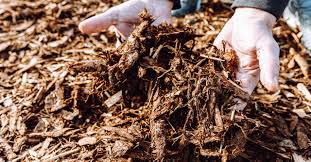
Organic Mulch Europe
How it works: Apply straw, wood chips, or compost on soil surface to conserve moisture and suppress weeds.
Regional Tip (Germany): Use before summer to retain soil moisture in vegetable fields.
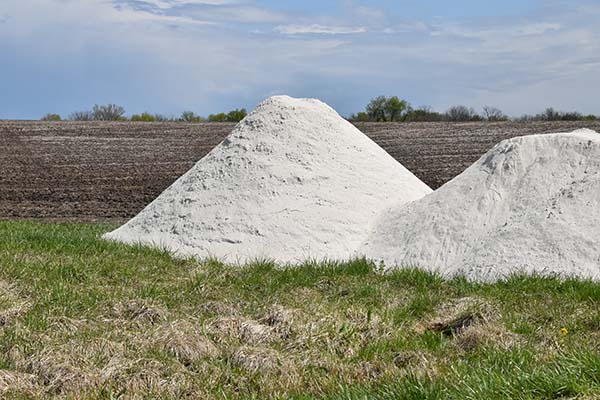
Gypsum Application MENA South Asia Europe
How it works: Apply agricultural gypsum (2-4 tons/acre) to displace sodium.
Regional Tip: Apply before planting season.
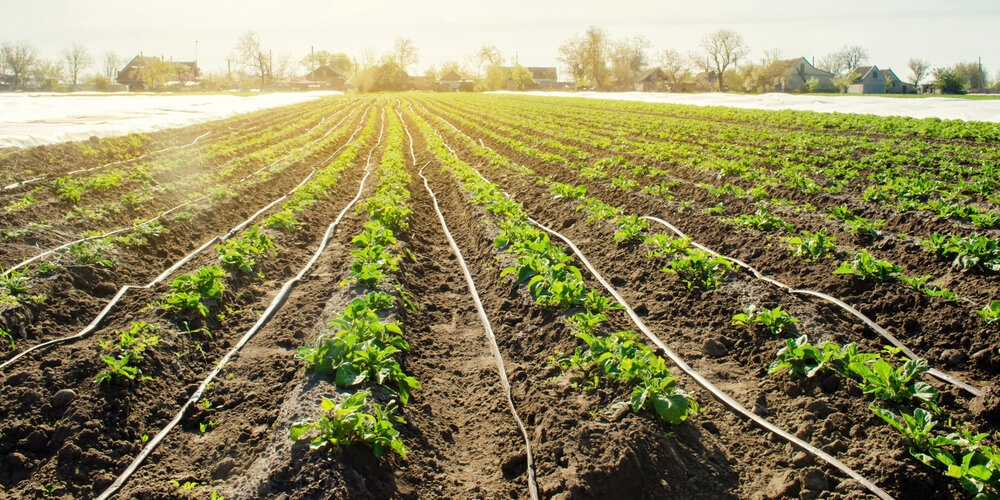
Drip Irrigation Europe
How it works: Delivers water directly to plant roots, reducing water loss and improving efficiency.
Regional Tip (Spain): Use in vineyards or olive orchards during summer.
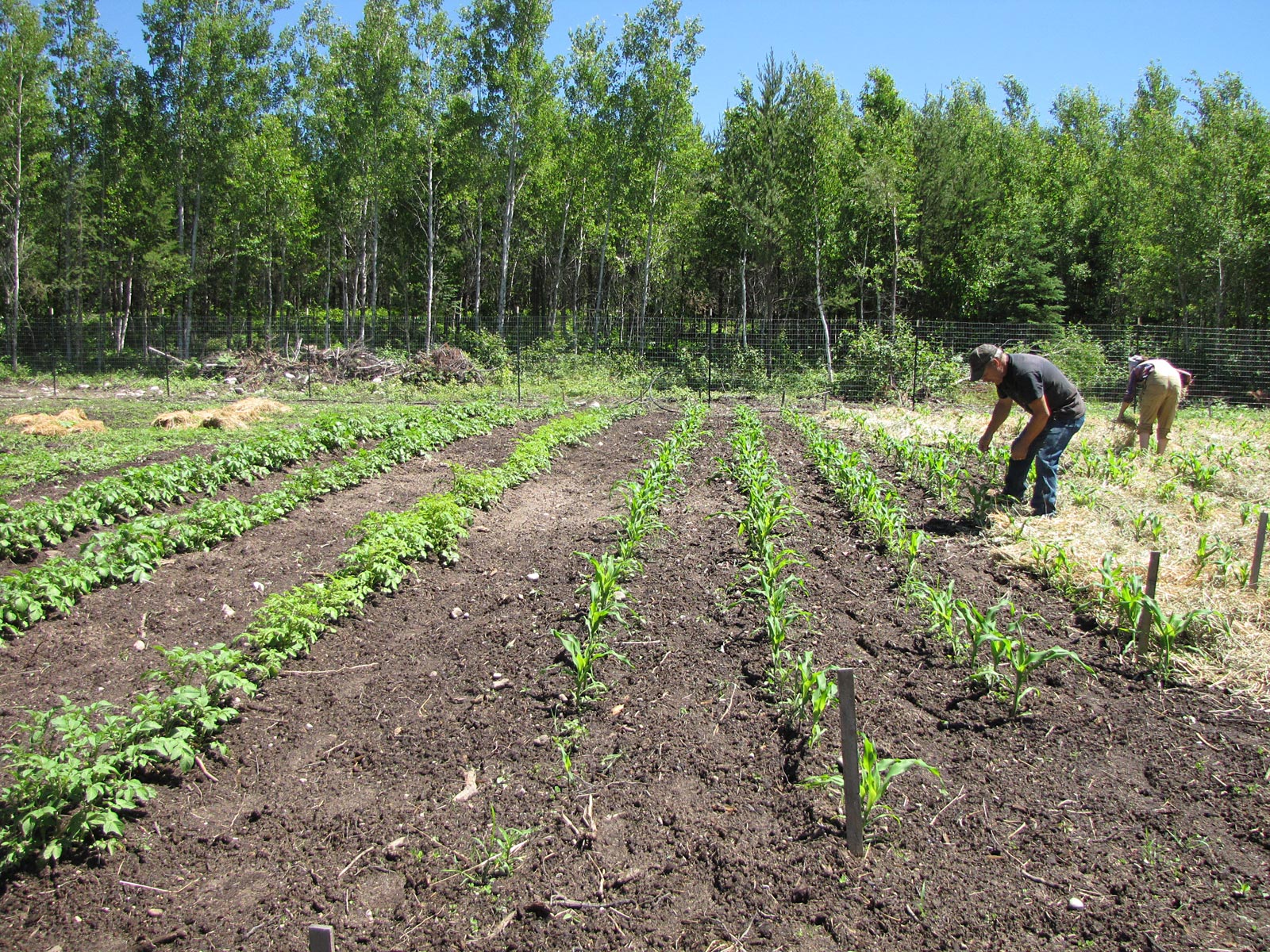
Sand Mulching Latin AmericaSub-Saharan
How it works: 5cm sand layer reduces evaporation and salt accumulation.
Regional Tip (Chile): Combine with fog nets in Atacama region.
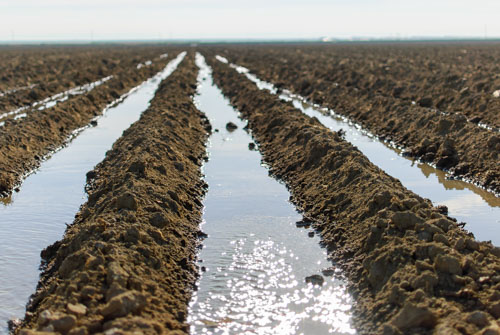
Salt-Water Leaching South AsiaMENA
How it works: Flood fields with 6-12" freshwater to flush salts.
Regional Tip (Bangladesh): Time with monsoon rains.
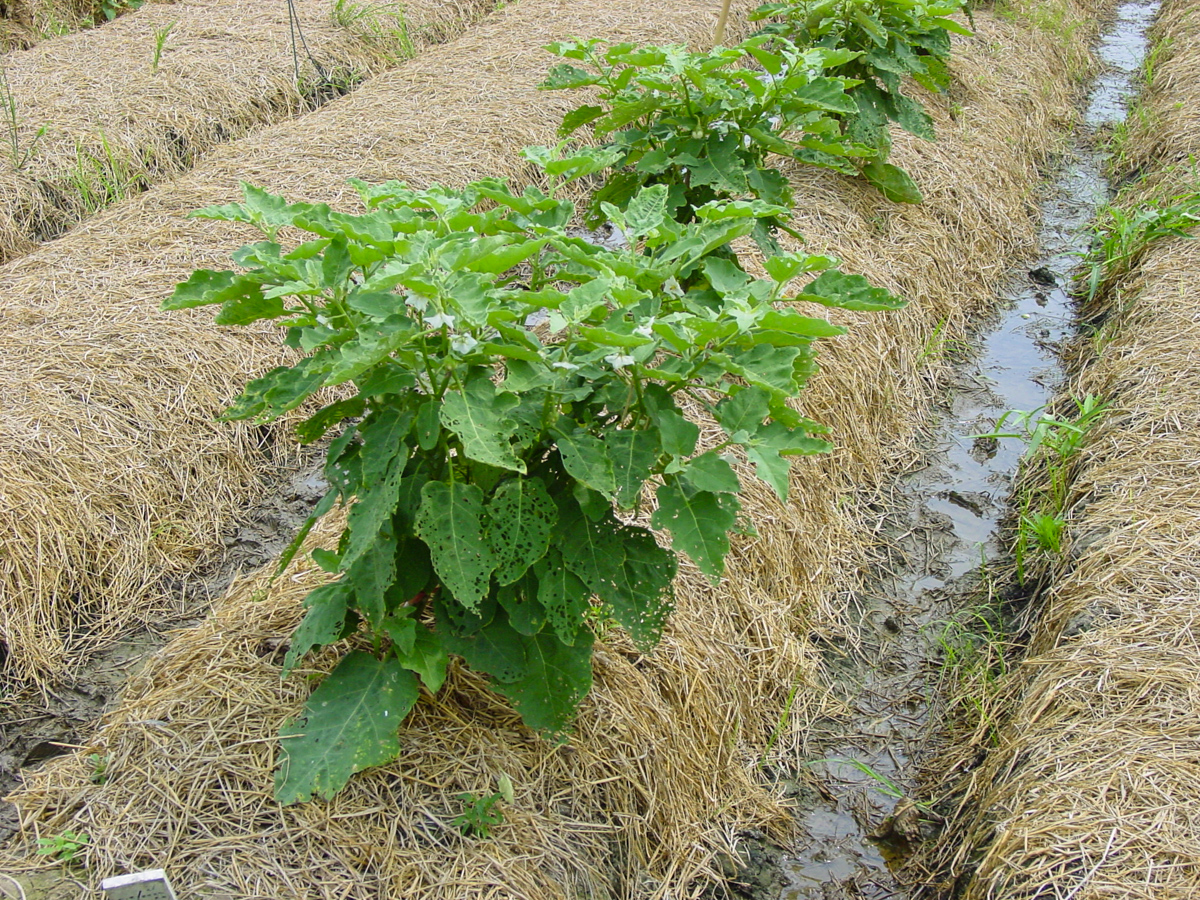
Rice Husk Mulching South AsiaSub-Saharan
How it works: 3-inch layer reduces evaporation, adds silica.
Regional Tip (Nigeria): Combine with poultry manure.
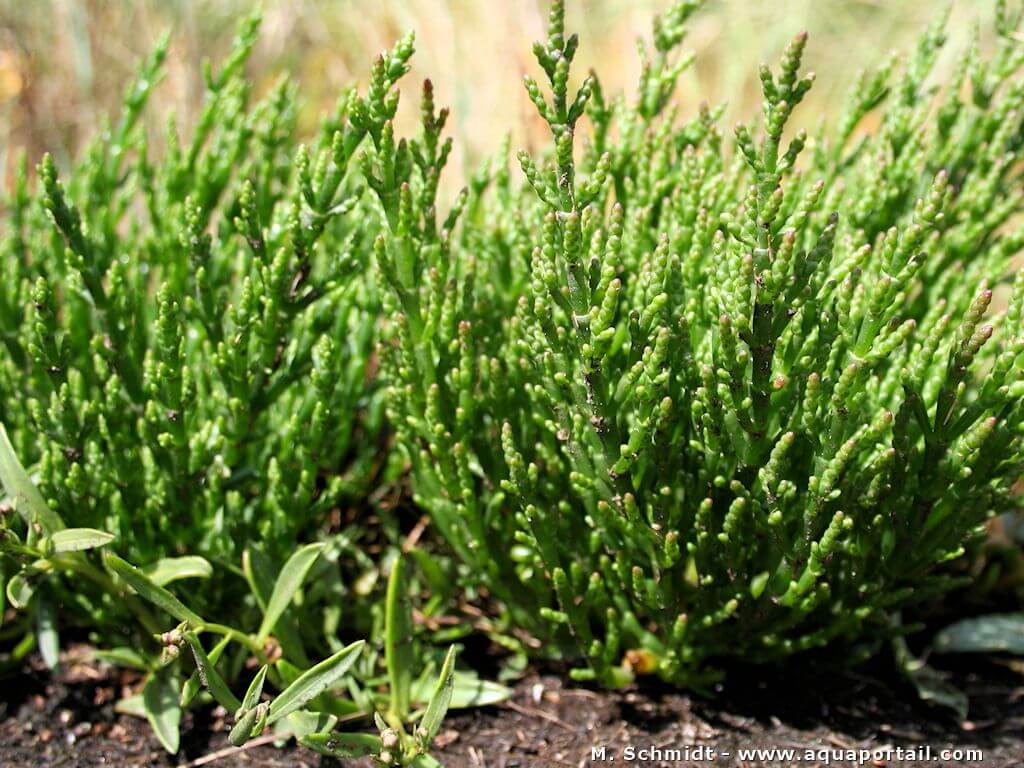
Halophyte Rotation Latin AmericaMENA
How it works: Grow salt-accumulating plants for 1 season.
Regional Tip (Mexico): Use Salicornia as cash crop.
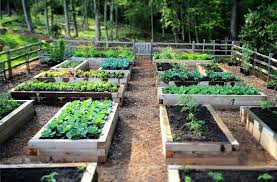
Raised Bed Planting South Asia Sub-Saharan Europe
How it works: 12" high beds prevent capillary salt rise.
Regional Tip: Space beds appropriately to improve drainage and prevent salt rise.
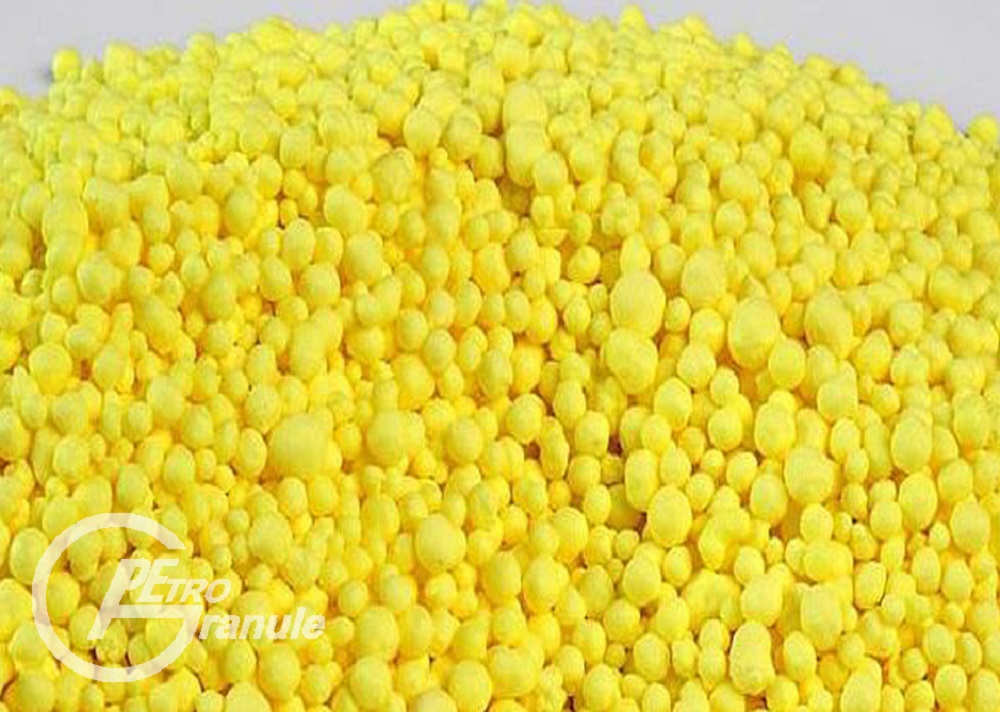
Sulfur Amendment South AsiaMENA
How it works: Elemental sulfur lowers pH in alkaline soils.
Regional Tip (India): Use 300kg/ha in Rajasthan.
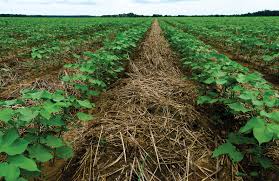
Cover Crops Europe
How it works: Plant legumes or grasses between main crops to improve soil fertility and prevent erosion.
Regional Tip (France): Use clover or rye in winter for soil cover.
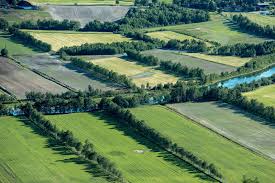
Agroforestry Windbreaks Sub-SaharanLatin America
How it works: Salt-tolerant trees reduce wind erosion.
Regional Tip (Brazil): Use Atriplex nummularia.
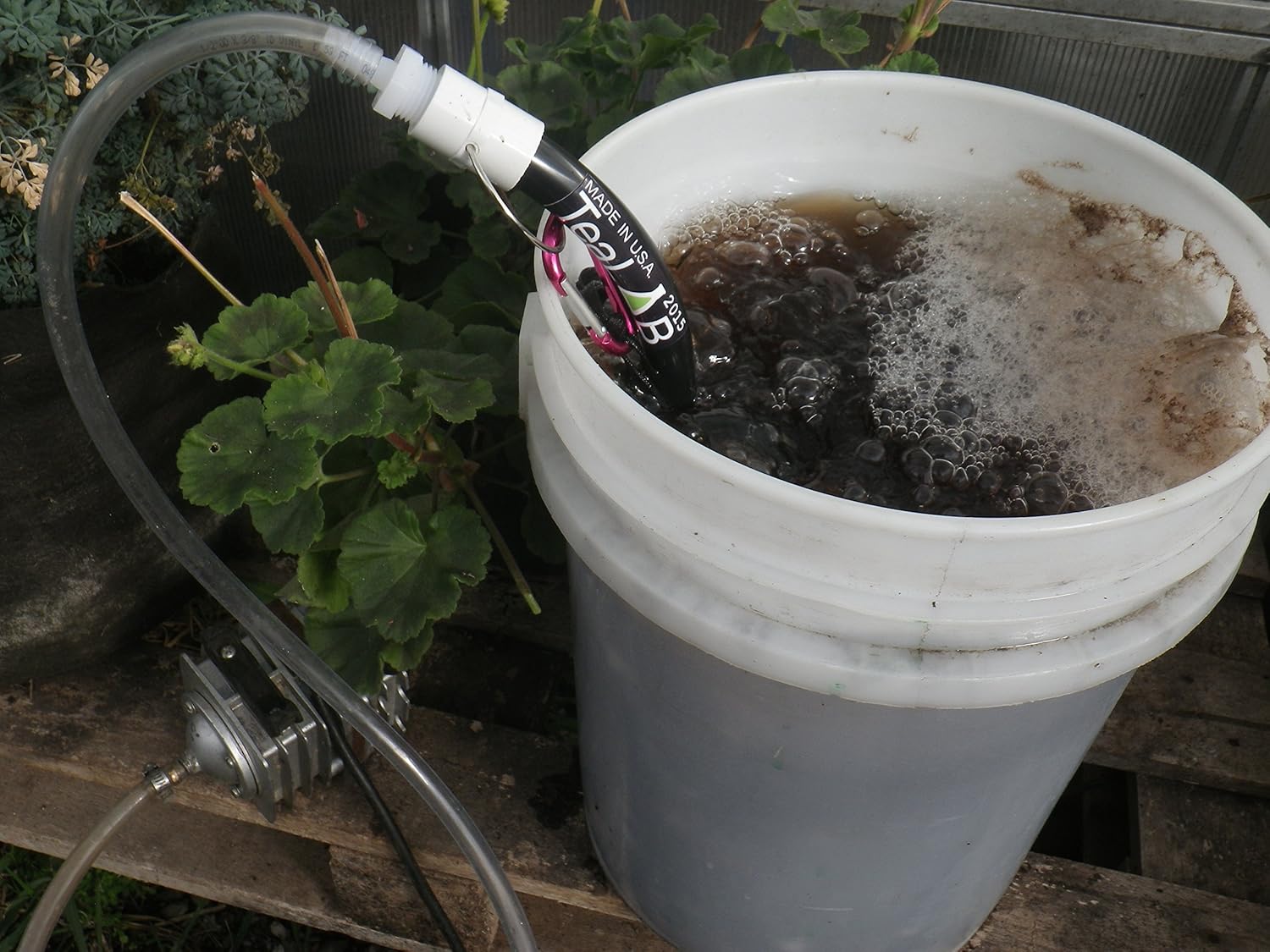
Compost Tea Irrigation All Regions
How it works: Aerated compost extracts boost microbes.
Regional Tip: Use local manure sources.
Salt-Tolerant Crops
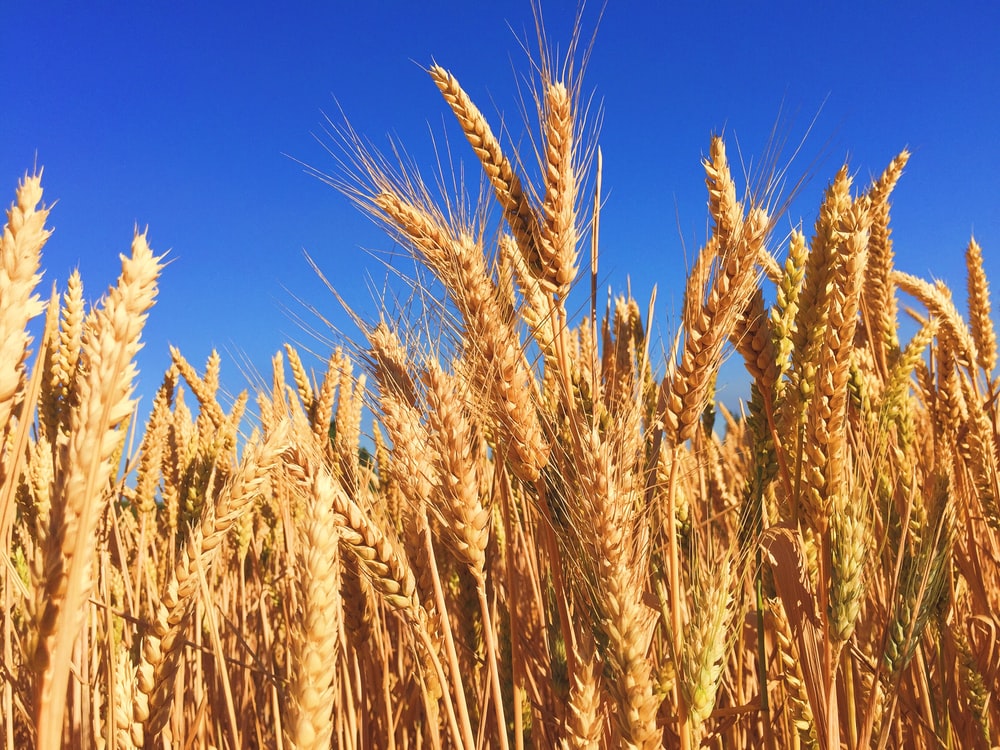
Barley MENA South Asia Europe
Salinity Tolerance: 8-10 dS/m
Best Varieties: 'ACSAD 176' (Syria), 'RD 2552' (India)
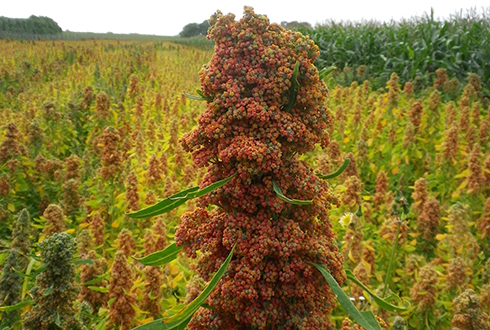
Quinoa Latin AmericaSouth Asia
Salinity Tolerance: 10-12 dS/m
Best Varieties: 'Titicaca', 'Real'
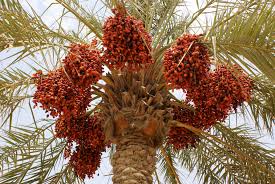
Date Palm MENA
Salinity Tolerance: 12-15 dS/m
Best Varieties: 'Medjool', 'Deglet Noor'
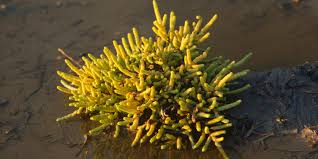
Saltwort All Regions
Salinity Tolerance: 20+ dS/m
Uses: Edible, biofuel
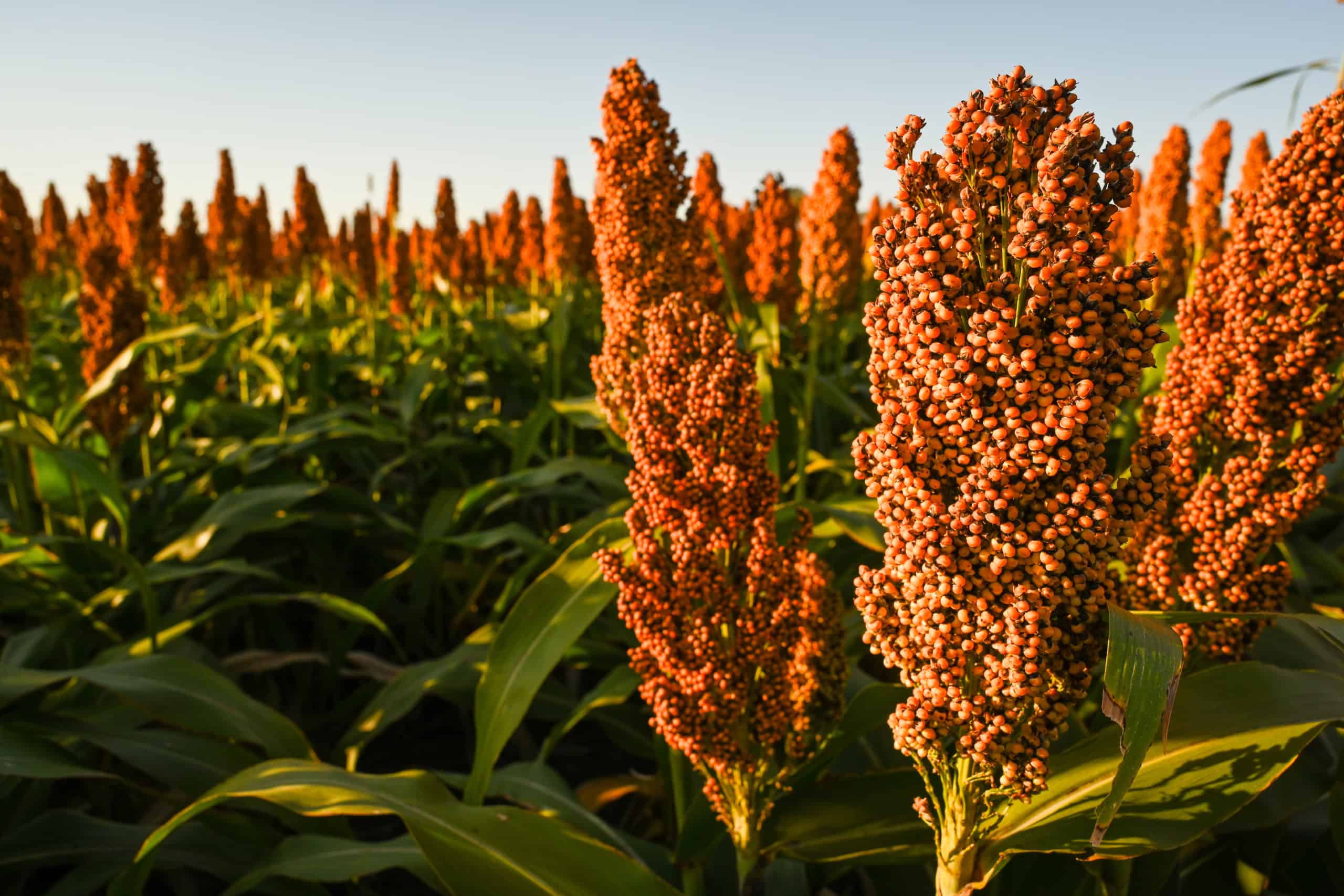
Sorghum Sub-SaharanSouth Asia
Salinity Tolerance: 6-8 dS/m
Best Varieties: 'Parbhani Moti' (India)
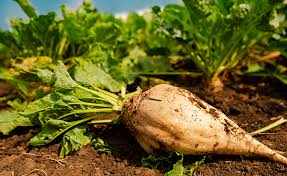
Sugar Beet Latin AmericaMENA
Salinity Tolerance: 7-9 dS/m
Best Varieties: 'Hilleshog' series
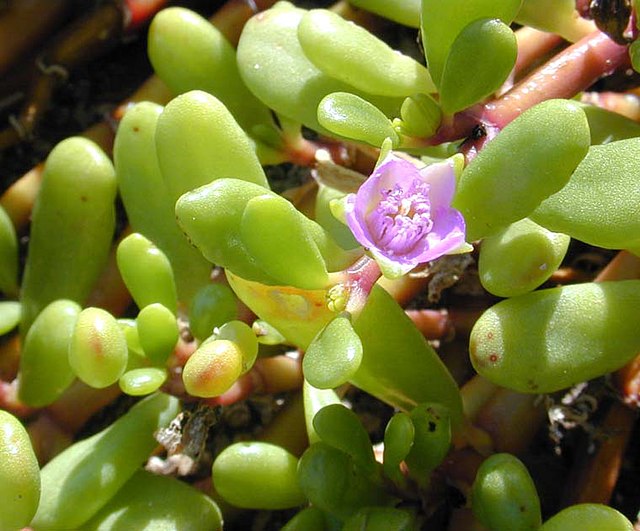
Sesuvium Sub-SaharanLatin America
Salinity Tolerance: 15-18 dS/m
Uses: Ground cover, edible
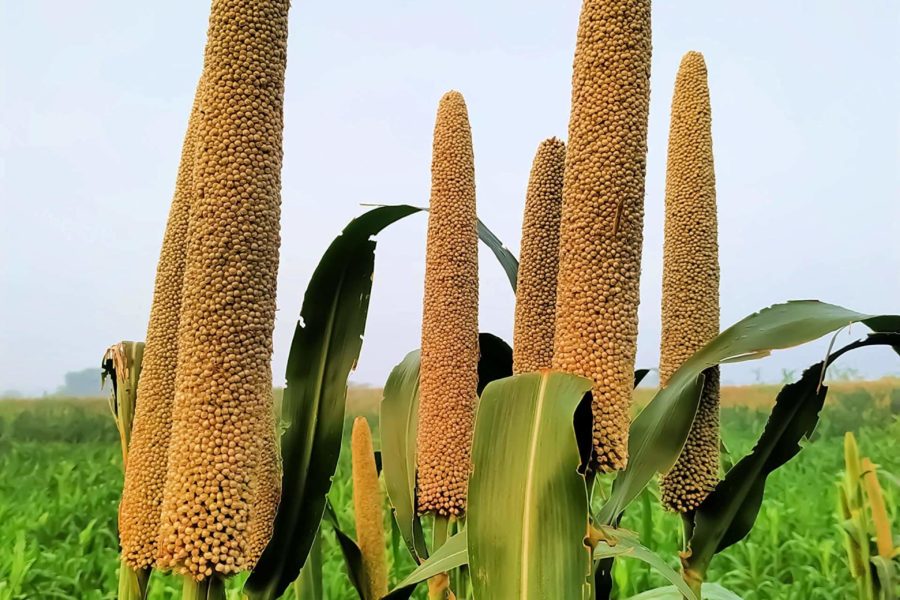
Pearl Millet Sub-SaharanSouth Asia
Salinity Tolerance: 8-10 dS/m
Best Varieties: 'ICMH 356'
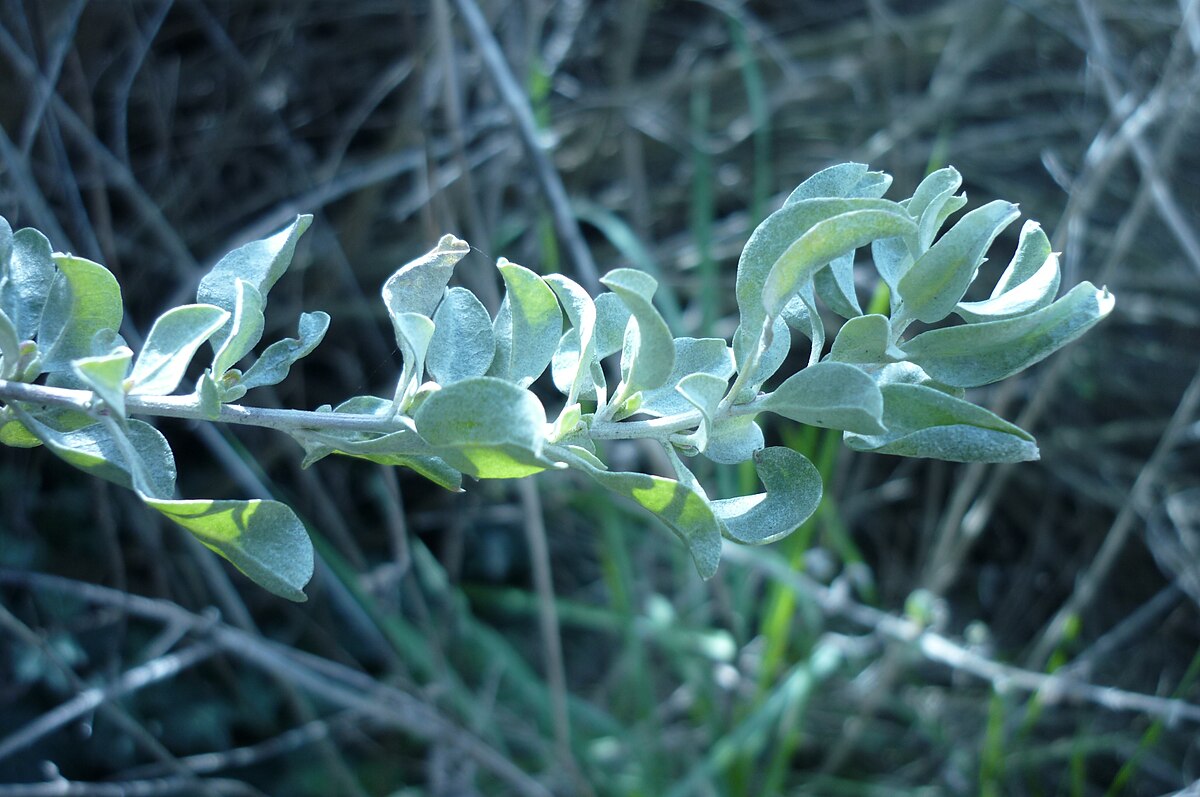
Atriplex MENALatin America
Salinity Tolerance: 12-15 dS/m
Uses: Fodder, soil rehab
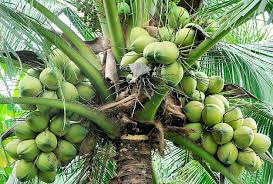
Coconut South AsiaSub-Saharan
Salinity Tolerance: 8-10 dS/m
Best Varieties: 'West Coast Tall'
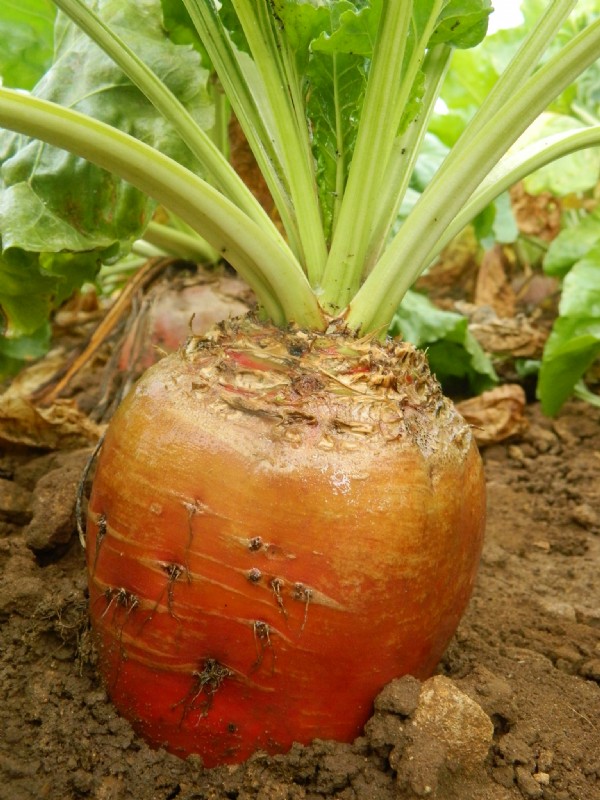
Fodder Beet Europe
How it works: Salt-tolerant root crop; provides feed for livestock while maintaining soil health.
Regional Tip (Netherlands): Suitable for coastal areas with mild salinity.
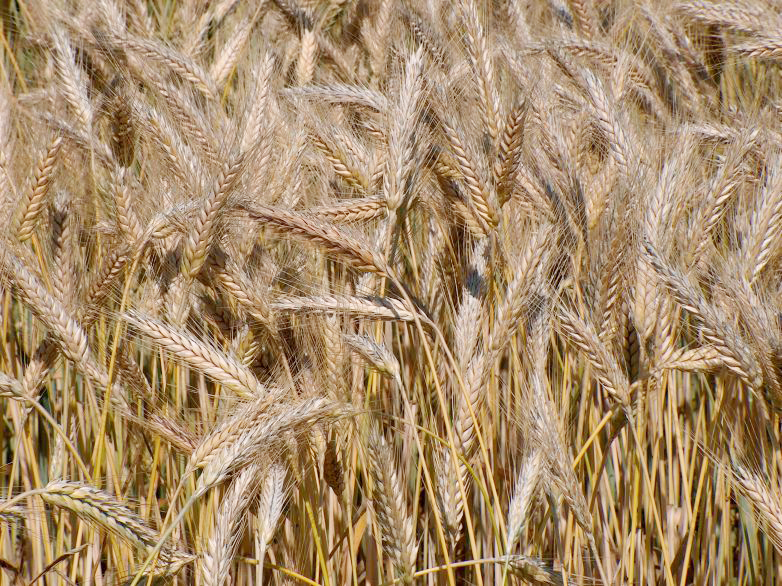
Triticale Europe
How it works: Hybrid of wheat and rye; moderately salt-tolerant and suitable for marginal soils.
Regional Tip (Poland): Rotate with legumes to improve nitrogen content.
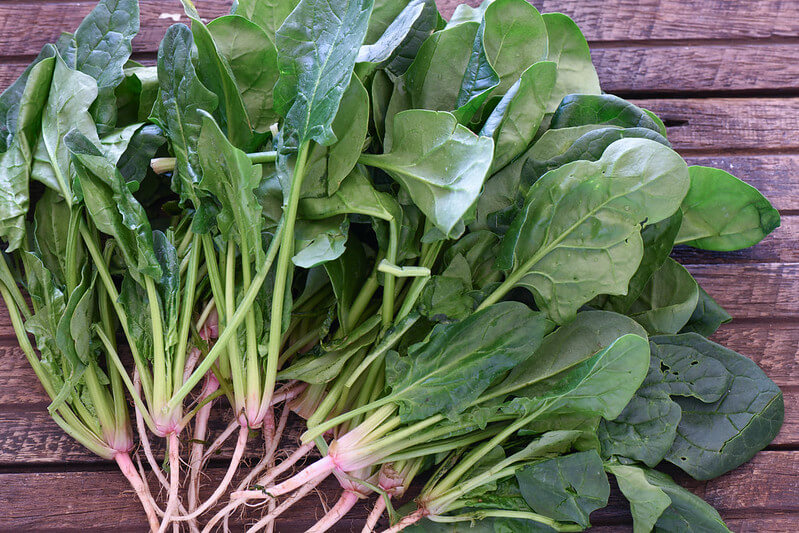
Spinach Europe
How it works: Leafy vegetable that tolerates mild salinity; suitable for rotation in slightly affected soils.
Regional Tip (Belgium): Plant in early spring or autumn for best growth.
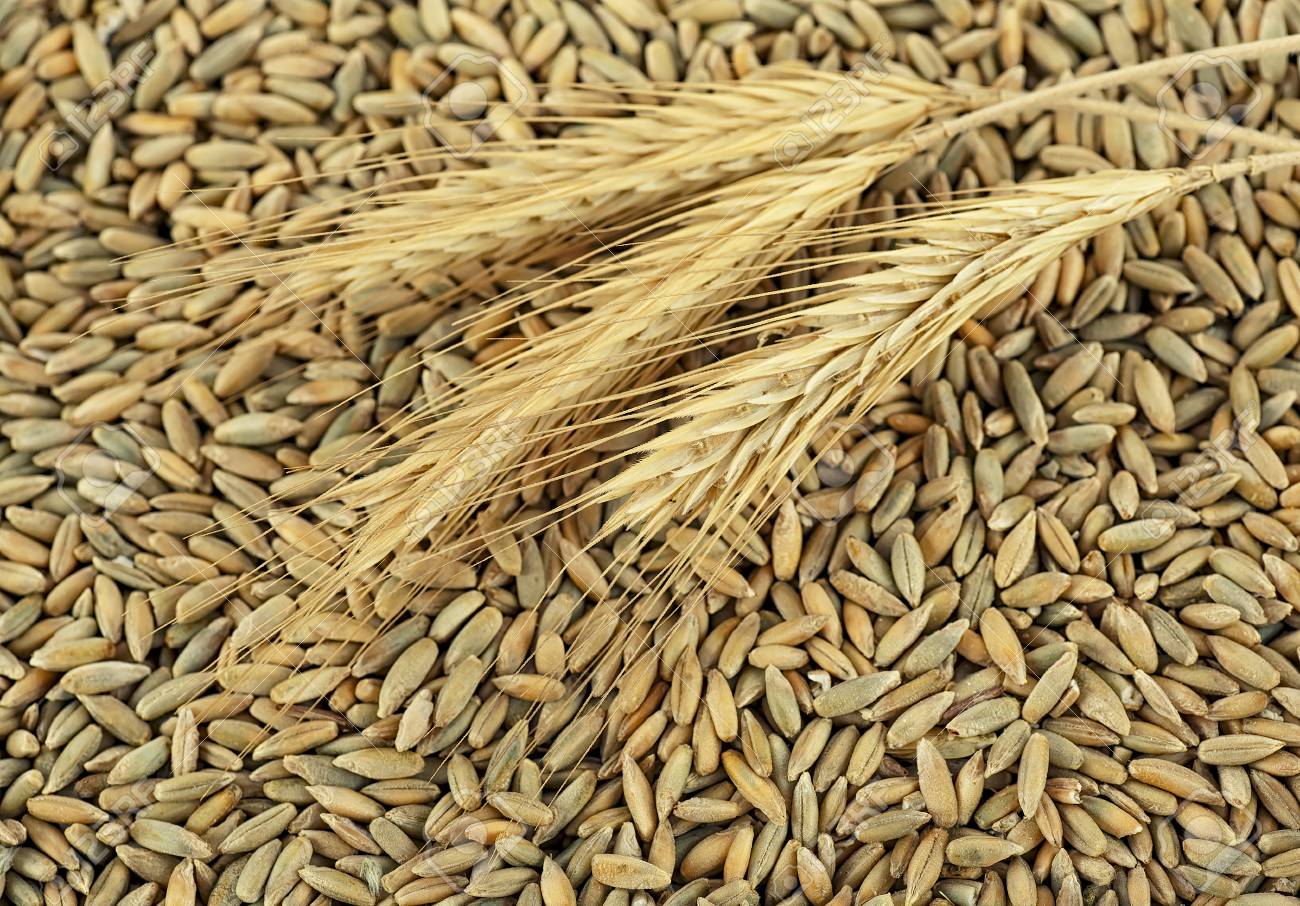
Salt-Tolerant Rye Europe
How it works: Hardy cereal crop; excellent for saline soils and soil stabilization.
Regional Tip (Denmark): Use for cover cropping in coastal regions.